(415) 550-1077
 San Francisco


Posted on July 28, 2026 in Combination Procedures
Understanding what to expect is one of the most important steps you can take before committing to multiple facial surgeries in a single operative session. For many patients in San Francisco, CA, combining procedures such as a facelift with a neck lift or adding eyelid surgery to a comprehensive facial rejuvenation plan is a practical and efficient approach. Recovery concerns are a legitimate and common reason patients hesitate, and those concerns deserve a thorough, honest answer. This guide walks you through what recovery typically looks like week by week, what signs are normal, and how Dr. Evan Ransom and his team support you through every stage of healing. If you are ready to take the next step, we encourage you to contact our office to schedule a consultation.
Early Recovery After Combination Procedures: The First Week
The first 24 to 48 hours following combination procedures are typically the most intense phase of recovery. Because multiple areas of the face and neck are addressed during a single surgery, patients generally experience more pronounced swelling, bruising, and a sense of tightness than they would after a single isolated procedure. This is a normal and expected part of the healing process, not a cause for alarm.
During this initial period, most patients are advised to rest with their head elevated, typically at a 30 to 45 degree angle, to help reduce swelling. Cool compresses may be recommended for comfort in specific areas. Prescription or over-the-counter pain management is usually sufficient to keep discomfort at a manageable level for most patients during these early days.
Patients should avoid bending, straining, strenuous activity, and anything that significantly raises blood pressure during the first 48 hours. Driving is not permitted while pain medication is being taken, and having a trusted adult present at home for at least the first night is strongly encouraged.
By days three through seven, most patients notice a gradual and encouraging improvement. Bruising typically begins to shift and fade, and swelling, while still present, often becomes easier to manage. Light activity around the home is generally well-tolerated by this stage. A follow-up appointment is typically scheduled within the first week so Dr. Ransom can assess your healing, address any questions, and remove any dressings or early sutures if appropriate.
Weeks 2 Through 4 and Long-Term Results
The second and third weeks of recovery are where many patients begin to feel meaningfully more like themselves. Residual swelling continues to resolve, though it does so gradually and unevenly. Some areas may feel tight or slightly numb, which is a normal part of nerve recovery following facial surgery. These sensations typically improve steadily over the following weeks and months.
Most patients find they are comfortable returning to light office work or remote work by the end of the second week, provided their role does not involve significant physical demands. Social activities often resume by weeks two to three, depending on individual healing pace and the specific procedures performed. Individual results may vary, and Dr. Ransom will give you personalized guidance based on your surgical plan and how your healing is progressing.
Exercise and more strenuous activity are typically reintroduced gradually, often beginning with light walking in the second week and progressing to moderate cardio and resistance training no sooner than four to six weeks post-surgery, with clearance from Dr. Ransom.
By weeks three to four, most patients report that their appearance has improved substantially from the early post-operative period. The face looks more natural as swelling resolves. Final results from combination procedures, particularly those involving deeper structural work, may continue to refine for six to twelve months as all residual swelling fully dissipates and tissues settle.
Tips for a Smooth Recovery
Thoughtful preparation before and after surgery can meaningfully support your healing. The following practical steps are recommended for most patients undergoing combination procedures:
Prepare your recovery space in advance. Stock your home with easy-to-prepare, soft foods, extra pillows for elevation, and any prescribed medications before your surgery date.
Stay hydrated and prioritize nutrition. Adequate hydration and a protein-rich diet support tissue repair. Avoid alcohol during the early recovery period, as it can increase swelling and interact with medications.
Sleep with your head elevated. Keeping your head above heart level for the first one to two weeks helps manage swelling, particularly after procedures involving the face and neck.
Protect your skin from sun exposure. Healing skin is especially vulnerable to UV damage. Broad-spectrum SPF and physical sun avoidance are essential. Ask about medical-grade skin care options appropriate for the post-operative period.
Avoid smoking and nicotine in all forms. Smoking significantly impairs circulation and wound healing and may increase the risk of complications. Dr. Ransom requires patients to be nicotine-free for a defined period before and after surgery.
Follow all aftercare instructions precisely. Wound care, activity restrictions, and medication protocols are individualized for each patient. Deviating from your specific instructions can affect outcomes.
Attend every scheduled follow-up appointment. These visits allow Dr. Ransom to monitor your progress and make any adjustments to your care plan as needed.
When to Contact the Office
Most side effects during combination procedures recovery are expected and manageable, but certain signs warrant a prompt call to Dr. Ransom’s office. Contact the practice if you experience any of the following:
Sudden or rapidly increasing swelling on one side of the face or neck
Fever above 101 degrees Fahrenheit
Increasing redness, warmth, or discharge at an incision site that suggests possible infection
Significant or worsening pain that is not adequately controlled with prescribed medication
Any changes in vision following eyelid surgery
Wound separation or unusual changes to incision appearance
You should never hesitate to reach out if something feels wrong. The team is accessible after your procedure and will help you determine whether what you are experiencing is within the range of normal or requires evaluation.
Ready to discuss your surgical plan? Schedule your consultation with Dr. Ransom today.
Dr. Ransom’s Approach to Aftercare in San Francisco
At Dr. Ransom’s practice in the San Francisco Bay Area, aftercare is treated as an integral part of the surgical process, not an afterthought. Patients receive detailed, personalized post-operative instructions tailored to their specific combination of procedures. Follow-up appointments are structured to monitor healing at key intervals, and the team remains accessible by phone for questions that arise between visits.
Dr. Evan Ransom is a Double Board Certified Head and Neck Surgeon and Facial Plastic and Reconstructive Surgeon, Ivy League-educated and Ivy League-trained, and fellowship-trained in facial plastic, reconstructive, and laser surgery. His depth of surgical experience across the face and neck means that patients undergoing combination procedures benefit from a coordinated approach that accounts for how each area heals in relation to the others. Whether you are traveling from San Francisco, Marin County, the East Bay, or Silicon Valley, his team is committed to supporting you through every phase of your recovery.
Frequently Asked Questions About Recovering From Combination Procedures
How long does it typically take to recover from combination procedures?
Recovery timelines vary depending on which procedures are combined and individual healing factors. Most patients are comfortable returning to light activities within two weeks. More strenuous exercise typically resumes at four to six weeks with surgical clearance. Final results, particularly following structural facial work, may continue to refine for up to twelve months. Dr. Ransom will discuss a realistic timeline during your consultation.
Is recovery harder when multiple procedures are done at once?
Combining procedures in a single operative session typically means a more involved early recovery compared to a single procedure. Swelling and bruising may be more widespread initially. However, many patients prefer this approach because it consolidates total recovery time rather than requiring separate healing periods for each procedure. Most patients find the process manageable with proper preparation and support in place.
How can I manage discomfort during combination procedures recovery?
Discomfort is typically well-managed with a combination of prescribed medication and practical measures such as head elevation, cool compresses, and rest. Most patients find that discomfort is greatest in the first 48 to 72 hours and gradually decreases through the first week. Dr. Ransom’s team will provide specific guidance on pain management as part of your individualized aftercare instructions before you leave the surgical facility.
When will I be able to see my final results?
Initial improvement is often visible within the first few weeks as swelling begins to resolve. However, the full benefit of combination procedures, particularly those involving the deeper facial structures, may not be fully apparent for months. Skin quality, contour definition, and overall harmony continue to improve as all residual swelling resolves and tissues mature. Individual results may vary based on the procedures performed and individual healing.
Are there specific aftercare steps for incision sites?
Yes. Incision care is an important part of recovery and will be addressed in detail during your post-operative appointment. Instructions typically include gentle cleansing, prescribed ointments or dressings, and guidance on when sutures will be removed. Protecting incisions from sun exposure is especially important during the healing process. Patients interested in supporting long-term skin quality may also benefit from reviewing skin care options appropriate for the post-surgical period.
Begin Your Combination Procedure Journey in San Francisco, CA
If you are considering combining facial procedures and want a clear, honest picture of what recovery involves, Dr. Evan Ransom and his team are here to help. Serving patients throughout San Francisco, the Bay Area, and Northern California, Dr. Ransom brings double board certification and fellowship-level training to every surgical plan. Call to schedule your consultation and take the first step with confidence.
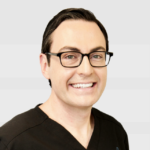
Dr. Evan Ransom is an Ivy League-educated and Ivy League trained Facial Plastic and Reconstructive Surgeon. He is a Double Board Certified Head and Neck Surgeon and Facial Plastic and Reconstructive Surgery and fellowship-trained in facial plastic, reconstructive, and laser surgery. His practice is in the San Francisco Bay Area, serving patients from San Francisco, Oakland, Marin County, Palo Alto, Silicon Valley, Walnut Creek, the East Bay, and all over Northern California.