(415) 550-1077
 San Francisco


Posted on September 21, 2026 in Facelift
Understanding what to expect from facelift results before, during, and after surgery is one of the most important steps in deciding whether this procedure is right for you. A facelift, or rhytidectomy, may help address visible signs of facial aging such as sagging skin, deepened folds, and loss of definition along the jawline and neck. For patients in San Francisco and throughout the Bay Area, Ransom/MD offers a highly individualized approach to facial rejuvenation guided by the expertise of a double board-certified surgeon. If you are considering this procedure and want to speak with a specialist, call (415) 550-1077 to schedule a consultation.
Understanding the Facelift Process: From Consultation to Surgery
Before exploring facelift results, it helps to understand what the procedure involves. A facelift surgery at Ransom/MD is tailored to each patient’s anatomy, goals, and degree of facial aging. During your consultation, Dr. Ransom evaluates factors such as skin quality, underlying tissue laxity, bone structure, and the overall harmony of your facial features. This assessment directly shapes the technique recommended and the facelift results you may realistically achieve.
Dr. Ransom’s facelift techniques, including the deep-plane facelift and the SMAS facelift, go beyond simple skin removal. They lift the deeper tissues and muscle layers of the face and neck, rather than the skin alone, to produce a more natural, refreshed appearance rather than an overly tight look. Some patients may benefit from combining a facelift with complementary procedures. A neck lift is frequently performed alongside a facelift to create consistent rejuvenation from the mid-face through the jawline and into the neck. In some cases, a mini facelift may be appropriate for patients with earlier-stage laxity who are seeking a more limited correction.
Anesthesia and the Surgical Setting
Dr. Ransom performs surgery at multiple hospitals and outpatient specialty surgery centers in San Francisco and Marin County. General anesthesia is typically recommended for lengthier procedures such as a facelift, though IV sedation may be an option depending on the scope of surgery and the patient’s overall health. Your surgical team will review all options with you in advance so you feel fully informed before your procedure day.
Facelift Recovery: A Week-by-Week Timeline of What to Expect
Recovery is one of the areas patients most want to understand when researching what to expect from facelift results after surgery. While every patient heals at their own pace, there is a general progression that most people experience.
The First Week
Swelling, bruising, and tightness are normal in the days immediately following surgery. Most patients wear a compression garment for about two weeks to help the tissues heal in their intended position and to reduce swelling and bruising. Small drains may be placed to prevent fluid buildup and, if placed, are typically removed within the first one to two days. Activity should be kept minimal, and patients should plan to rest with their head elevated. Most patients are seen for a follow-up visit within the first several days so Dr. Ransom can monitor early healing.
Weeks Two Through Four
Bruising typically resolves in about 10 days, and most swelling subsides within two to three weeks. Sutures are typically removed between days seven and ten. Many patients feel ready to return to non-physical work around the two-week mark, while strenuous exercise is generally avoided for four to six weeks. Incisions, which are carefully placed in natural contours around the ear and hairline, continue to mature and soften during this phase.
Months One Through Six
As residual swelling continues to subside, the contours of the face become more defined. Full resolution of swelling and the final contour of the face may continue to refine for up to six months following surgery, and in some cases longer, while incision lines continue to fade over six to twelve months. Skin texture, incision color, and overall facial contour all continue to improve during this period. Individual results may vary based on age, skin quality, surgical technique, and adherence to post-operative care instructions.
For patients interested in reading more about the recovery experience and what shapes outcomes, our practice blog covers a range of topics in facial plastic surgery from a clinical perspective.
Long-Term Facelift Results and Managing Expectations
What to expect from facelift results over the long term is a question that deserves a candid answer. A facelift does not stop the natural aging process, but it may help patients achieve a more youthful appearance that can last many years. Patients who maintain a healthy lifestyle, protect their skin with daily broad-spectrum sunscreen, and engage in appropriate non-surgical maintenance may help extend the longevity of their results.
It is also worth noting that a facelift addresses the midface, lower face, and neck, but may not address changes in the upper face or brow region. Some patients choose to complement their facelift results with additional procedures over time. For those who have previously had a facelift and are seeking further refinement, Dr. Ransom performs secondary facelift and revision facelift procedures for patients who wish to address changes that have occurred after a prior surgery or correct results they were not satisfied with.
Non-surgical treatments, including laser treatments, RF microneedling, and medical-grade skin care, can also play a supportive role in maintaining facelift results. In our practice, we find that patients who approach rejuvenation as an ongoing process tend to be more satisfied with their long-term outcomes than those who view surgery as a single event.
Patients considering their overall facial rejuvenation plan are also encouraged to explore how complementary procedures such as eyelid surgery may address concerns in areas the facelift does not directly target.
Why Choose Ransom/MD in San Francisco, CA?
Patients throughout San Francisco, Marin County, Oakland, Palo Alto, Silicon Valley, and across Northern California choose Ransom/MD for facial plastic surgery because of the depth of training and the focused nature of Dr. Ransom’s practice. Dr. Evan Ransom is an Ivy League-educated and Ivy League-trained Facial Plastic and Reconstructive Surgeon. He holds dual board certification in both Head and Neck Surgery and Facial Plastic and Reconstructive Surgery, and he completed fellowship training specifically in facial plastic, reconstructive, and laser surgery. This level of subspecialty focus means that every procedure performed at this practice, including facelifts, is within a narrowly defined area of expertise.
Beyond his surgical credentials, Dr. Ransom brings a commitment to precision and a respect for each patient’s individual anatomy. His approach to facelift results prioritizes natural-looking outcomes that complement the patient’s overall facial balance. His work with Healing the Children, performing cleft lip and palate surgery in Ecuador, Colombia, Mexico, and Thailand, further reflects the standard of care and skill he brings to every patient interaction. You can learn more about this commitment on his mission work and philanthropy page. Call (415) 550-1077 to schedule your consultation at Ransom/MD.
Frequently Asked Questions About Facelift Results
How soon after a facelift will I see results?
Most patients begin to see early facelift results within the first few weeks as bruising and swelling subside, and the final contour of the face may continue to refine for up to six months following surgery, and in some cases longer. During your consultation at Ransom/MD, Dr. Ransom will provide a realistic timeline based on your specific procedure plan and anatomy.
Am I a good candidate for a facelift?
Ideal candidates for a facelift are generally in good overall health, are non-smokers or willing to stop smoking well in advance of surgery, and have realistic expectations about what surgery can achieve. Common concerns that may be addressed include jowling, deepened nasolabial folds, and loose neck skin. A consultation with Dr. Ransom at our San Francisco practice is the most reliable way to determine whether a facelift, a mini facelift, or another approach is appropriate for your goals.
Will facelift scars be visible?
Incisions are carefully placed within natural anatomical contours, typically along the hairline, around the ear, and occasionally beneath the chin. With proper technique and post-operative care, scars are generally well-concealed and continue to fade over six to twelve months. Dr. Ransom’s fellowship training in facial plastic and reconstructive surgery informs careful incision placement designed to keep scars as discreet as possible.
How long do facelift results typically last?
Facelift changes are permanent, but the natural aging process continues after surgery. Results may last a decade or longer for many patients, and individual outcomes depend on factors including skin quality, genetics, lifestyle, and sun exposure. Some patients choose to support their results over time with non-surgical treatments or, years later, a secondary procedure with Dr. Ransom.
Does Ransom/MD serve patients outside of San Francisco?
Yes. Ransom/MD welcomes patients from throughout the San Francisco Bay Area and Northern California, including Oakland, Marin County, Palo Alto, Silicon Valley, Walnut Creek, and the East Bay. The practice has offices in San Francisco and Mill Valley. For patients traveling a significant distance, the team can help coordinate your consultation and surgical scheduling to minimize the number of required visits. Contact Ransom/MD online to begin the process.
If you are ready to learn more about facelift results and what to expect from the process at a San Francisco practice focused on facial plastic surgery, Ransom/MD is here to guide you. Call (415) 550-1077 or contact us online to schedule your consultation with Dr. Evan Ransom.
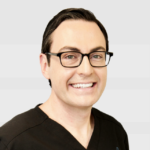
Dr. Evan Ransom is an Ivy League-educated and Ivy League trained Facial Plastic and Reconstructive Surgeon. He is a Double Board Certified Head and Neck Surgeon and Facial Plastic and Reconstructive Surgery and fellowship-trained in facial plastic, reconstructive, and laser surgery. His practice is in the San Francisco Bay Area, serving patients from San Francisco, Oakland, Marin County, Palo Alto, Silicon Valley, Walnut Creek, the East Bay, and all over Northern California.