(415) 550-1077
 San Francisco


Posted on May 18, 2026 in Facelift
Understanding the facelift recovery timeline is one of the most important steps a patient can take before committing to surgery. Whether you are considering a traditional facelift, a mini facelift, or a procedure combined with a neck lift, knowing what to expect during each stage of healing helps you plan realistically, reduce anxiety, and make informed decisions about your care. This guide is written for patients in the San Francisco Bay Area who are actively researching facelift surgery and want detailed, trustworthy information before scheduling a consultation. Recovery is highly individual, and the guidance below reflects general patterns observed across patients. Individual results may vary. To discuss your specific situation, contact our San Francisco office today.
The Facelift Recovery Timeline: Week by Week
Most patients want a clear, honest picture of the facelift recovery timeline before they move forward. While healing progresses differently for each individual, the following framework reflects what most patients generally experience.
Days 1 Through 3: Immediate Post-Operative Phase
In the first 72 hours following surgery, swelling, bruising, and tightness are expected and are normal parts of the healing response. Drains, if placed, are typically removed within the first one to two days. Patients should rest with their head elevated and avoid any strenuous movement. A responsible adult caregiver is required during this phase. Prescription medication may be provided to manage discomfort, which is well-tolerated by most patients during this period.
Days 4 Through 14: Early Healing
Bruising and swelling begin to visibly improve by the end of the first week. Most sutures or staples are removed between days seven and ten, depending on the technique used and the patient’s healing response. Many patients feel comfortable returning to light, non-physical work by the end of week two, though this varies considerably. Incision sites may appear pink or slightly raised during this phase, which is a normal part of tissue healing.
Weeks 3 Through 6: Continued Improvement
During this phase of the facelift recovery timeline, residual swelling continues to subside and the contours of the face become more defined. Patients generally begin resuming light social activities, though sun exposure and strenuous exercise should still be avoided. Numbness or mild tightness in the face and neck area is common and typically resolves gradually. For patients who have combined their facelift with complementary procedures, healing timelines may be somewhat longer. Individual results may vary.
Months 2 Through 6 and Beyond: Refined Results
Full resolution of swelling and the final contour of the face may continue to refine for up to six months following surgery, and in some cases longer. Incision scars, which are typically placed along natural contours of the ear and hairline, fade substantially over time. At six months, most patients feel confident that their results reflect their anticipated outcome. Because the facelift recovery timeline extends well beyond the immediate post-operative period, patience during these later months is an essential part of the process. Individual results may vary.
Factors That Influence Your Facelift Recovery Timeline
No two patients recover at exactly the same pace. A number of individual and procedural variables influence how quickly and smoothly the facelift recovery timeline progresses.
Surgical Technique and Procedure Scope
Patients undergoing a more extensive rhytidectomy combined with a neck lift or other procedures may experience a longer recovery period compared to those receiving a more limited procedure. At our San Francisco practice, Dr. Ransom evaluates each patient’s anatomy and goals individually to recommend the approach most appropriate for their specific needs. Patients considering a secondary facelift should be aware that revision procedures can present different healing considerations than a primary procedure.
Patient Health and Lifestyle Factors
General health, skin quality, smoking history, and nutrition all play a meaningful role in post-operative healing. Patients who do not smoke, maintain a stable weight, and follow pre-operative preparation instructions consistently tend to experience smoother recovery courses. Certain medications and supplements may affect bleeding and healing and should be discussed thoroughly during your consultation. Protecting healing incisions from direct sun exposure is strongly advised throughout the recovery process.
Adherence to Post-Operative Instructions
Following the specific instructions provided by your surgeon is among the most consequential factors in achieving a favorable outcome. This includes wound care protocols, activity restrictions, sleep positioning, and follow-up appointment attendance. In our practice, we find that patients who engage actively with post-operative care and maintain open communication with our team tend to navigate the facelift recovery timeline with greater confidence and fewer concerns. Questions should always be directed to your surgical team promptly, as early communication can prevent complications from escalating.
Tips to Support a Smooth Recovery
While the body does the work of healing, there are meaningful steps patients can take to support that process throughout the facelift recovery timeline.
Prepare Your Recovery Environment in Advance
Setting up a comfortable recovery space before surgery reduces stress during the early post-operative days. This includes having prescribed medications filled, easy-to-prepare meals available, and loose, front-opening clothing on hand. Pillows to keep your head elevated and entertainment to support quiet rest are also helpful. Planning for a caregiver to assist you during the first several days is essential.
Support Skin Health Before and After Surgery
Patients who prioritize skin health before and after surgery may support their overall healing. Dr. Ransom’s practice offers guidance on medical-grade skin care that may complement surgical results over time. Sun protection is particularly important during recovery, as healing skin is more vulnerable to pigment changes and UV-related damage.
Manage Expectations and Monitor Progress
Understanding that the facelift recovery timeline is measured in months rather than days helps patients approach healing with appropriate expectations. Swelling can fluctuate, and some days may appear to show less progress than others. Tracking your healing with periodic photographs, taken in consistent lighting, can be a helpful and encouraging way to observe gradual improvement. Individual results may vary, and your surgical team is the best resource for interpreting your specific healing progress.
Why Choose Dr. Evan Ransom in San Francisco, CA
Dr. Evan Ransom is an Ivy League-educated and Ivy League-trained Facial Plastic and Reconstructive Surgeon serving patients throughout the San Francisco Bay Area, including Oakland, Marin County, Palo Alto, Silicon Valley, Walnut Creek, and the broader Northern California region. He is Double Board Certified in Head and Neck Surgery and Facial Plastic and Reconstructive Surgery, and fellowship-trained in facial plastic, reconstructive, and laser surgery. This depth of specialized training informs every aspect of care, from surgical planning through post-operative follow-up.
Beyond his clinical practice, Dr. Ransom participates in humanitarian mission work performing cleft lip and palate surgery in Ecuador, Colombia, Mexico, and Peru through Healing the Children, a nonprofit focused on international health. This commitment reflects a standard of care that extends well beyond the surgical suite. Patients considering facelift surgery in San Francisco are encouraged to schedule a consultation to discuss their goals and learn what recovery may look like for their individual case.
Frequently Asked Questions
When can I return to work after a facelift?
Return-to-work timing depends on the nature of your job and the scope of your procedure. Many patients who work in non-physical settings feel ready to return around the two-week mark, though some prefer additional time. Those in physically demanding roles may need to wait four to six weeks or longer. Dr. Ransom will provide specific guidance based on your procedure and healing progress. Individual results may vary.
Is the facelift recovery timeline different for a mini facelift?
Generally, a mini facelift involves a less extensive recovery than a full facelift, with many patients returning to light activities sooner. However, swelling and bruising are still expected and require time to resolve. The facelift recovery timeline for any procedure depends on the individual patient’s health, anatomy, and how their body responds to surgery. A thorough consultation helps set accurate expectations for your specific situation.
What can I do to reduce swelling during facelift recovery?
Keeping the head elevated, applying cold compresses as directed, avoiding sodium-rich foods, and staying well hydrated may help manage post-operative swelling. Avoiding strenuous activity and refraining from bending at the waist in the early weeks is also typically advised. Your surgical team will provide a detailed protocol specific to your procedure and healing needs. Following these instructions carefully supports a smoother recovery course.
Are facelift scars noticeable after recovery?
Dr. Ransom places incisions in locations that follow natural contours, including the hairline and the areas surrounding the ear, to minimize visible scarring. During the facelift recovery timeline, scars will initially appear pink and may be slightly raised before fading over six to twelve months. Consistent sun protection and appropriate wound care, as directed, support optimal scar maturation. Most patients find that healed incisions are well-concealed with everyday hairstyling.
How do I know if I am a good candidate for a facelift in San Francisco?
Good candidates are generally adults who have noticeable facial laxity, are in good overall health, do not smoke, and have realistic expectations about what surgery may achieve. A consultation with a board-certified specialist like Dr. Ransom is the most accurate way to assess candidacy. Dr. Ransom evaluates each patient individually, reviewing anatomy, skin quality, and personal goals. Patients in the greater San Francisco Bay Area are welcome to schedule a consultation to begin that conversation.
Schedule Your Facelift Consultation in San Francisco, CA
If you are researching the facelift recovery timeline and ready to take the next step, Dr. Ransom’s San Francisco practice welcomes you to schedule a personalized consultation. During that appointment, you will receive detailed recovery guidance specific to your anatomy and goals. To get started, contact our office or call us today to speak with a member of our team.
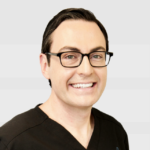
Dr. Evan Ransom is an Ivy League-educated and Ivy League trained Facial Plastic and Reconstructive Surgeon. He is a Double Board Certified Head and Neck Surgeon and Facial Plastic and Reconstructive Surgery and fellowship-trained in facial plastic, reconstructive, and laser surgery. His practice is in the San Francisco Bay Area, serving patients from San Francisco, Oakland, Marin County, Palo Alto, Silicon Valley, Walnut Creek, the East Bay, and all over Northern California.