(415) 550-1077
 San Francisco


Posted on July 17, 2025 in Rhinoplasty
For many patients, a primary rhinoplasty does not always result in the desired outcome. Whether due to unresolved functional issues like difficulty breathing or aesthetic concerns such as contour irregularities or tip ptosis, prior nasal surgery may have inadequately treated the nasal septum. In such cases, revision rhinoplasty (also known as secondary rhinoplasty) can help restore both function and appearance. At Ransom/MD, our goal is to guide patients through the complex journey of revision rhinoplasty surgery with expert care, clarity, and support.
The Difference With Revision Rhinoplasty
Unlike a primary rhinoplasty, revision surgery is typically more complex due to the presence of scar tissue, changes in nasal anatomy, and limited septal cartilage. Whether a minor issue like a nasal bump, or something more detrimental like an external nasal valve collapse, revision rhinoplasty patients may present with a variety of concerns.
Many rhinoplasty patients may also require cartilage grafting using rib cartilage, temporalis fascia, or ear cartilage to rebuild structural support. Revision rhinoplasty patients often seek out a facial plastic surgeon with experience in advanced techniques, as successful outcomes depend on detailed anatomical knowledge and surgical precision.
Mental Preparation for Revision Rhinoplasty
Set Realistic Expectations
Rhinoplasty revision is a highly individualized surgical procedure, and while many previous patients achieve a more satisfying result, outcomes may be limited by prior damage or loss of tissue. Our team uses computer-assisted imaging to help patients visualize potential improvements while maintaining transparency about what’s surgically feasible based on medical history, previous procedures, and current nasal structure.
Prepare for the Emotional Journey
Undergoing a second or third nose job can feel emotionally taxing, especially after disappointment with a previous rhinoplasty. Feelings of frustration, anxiety, or fear are common among revision rhinoplasty patients; Dr. Ransom and our team emphasize open communication, empathy, and education to help patients feel supported throughout their healing process.
Physical Preparation for Revision Rhinoplasty
Understand the Pre-Operative Instructions
Proper preparation can minimize risk and set the stage for a successful revision rhinoplasty. You’ll need to avoid contact sports, smoking, and certain pain medications that may increase bleeding. Some patients may require temporary cessation of medications, changes in skincare, or special care to preserve thin nasal skin affected by previous nose surgery.
Plan for Your Recovery
Like any plastic surgery procedure, revision rhinoplasty requires adequate time and planning for recovery. Be prepared for nasal packing, swelling, and bruising during the early stages. To minimize swelling and promote less swelling overall, keep your head elevated, avoid strenuous activity, and follow all post-operative care guidelines.
The Revision Rhinoplasty Recovery Process
The recovery period can vary based on the complexity of the revision procedure, the use of graft material, such as caudal septal extension grafts, and your body’s response to nasal surgery. Most patients can return to work within two weeks, although the final results of rhinoplasty surgery may take up to a year to fully develop due to lingering swelling and tissue healing. It’s crucial to attend follow-up appointments and communicate any signs of nasal obstruction, nasal congestion, or concerns about healing with your rhinoplasty surgeons.
How Ransom/MD Can Help You Achieve the Right Results
Dr. Ransom is a double board-certified head and neck surgeon who has helped countless patients through both primary procedures and complex revision rhinoplasty surgeries. With a deep understanding of nasal anatomy and experience in reconstructive surgery, our practice offers a thoughtful, customized approach to rhinoplasty revision. Contact Ransom/MD for expert facial plastic surgery care.
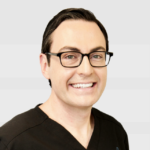
Dr. Evan Ransom is an Ivy League-educated and Ivy League trained Facial Plastic and Reconstructive Surgeon. He is a Double Board Certified Head and Neck Surgeon and Facial Plastic and Reconstructive Surgery and fellowship-trained in facial plastic, reconstructive, and laser surgery. His practice is in the San Francisco Bay Area, serving patients from San Francisco, Oakland, Marin County, Palo Alto, Silicon Valley, Walnut Creek, the East Bay, and all over Northern California.